METSMETSMETSMETS
  • Home
  • About
    • METS Programme
    • METS Team
  • Our Core Work
    • Health Systems Strengthening
      • District Led Programming
      • Strategic Information
    • Data Science & Informatics
    • Disease Surveillance
  • Resources
    • Articles
    • Publications
    • Newsletters
    • Reports
    • Bulletins
    • District Profiles
    • District Strategic Plans
    • Videos
    • Mobile Application
    • BUHIC
  • Dashboards
    • UgandaEMR Portal
    • HIV Prevention Portal
    • DREAMS Tracker
    • RASS Dashboard
    • Viral Load Dashboard
    • VMMC Dashboard
    • Option B+ Dashboard
    • UgandaEMR Metrics Dashboard
  • Updates
    • News
    • Events
    • Careers
  • Contact

ORPHANS AND OTHER VULNERABLE CHILDREN (OVC) SERVICE QUALITY ASSESSMENT (SQA)

    Home Article ORPHANS AND OTHER VULNERABLE CHILDREN (OVC) SERVICE QUALITY ASSESSMENT (SQA)
    NextPrevious

    ORPHANS AND OTHER VULNERABLE CHILDREN (OVC) SERVICE QUALITY ASSESSMENT (SQA)

    By Nancy Karunganwa | Article, News, Strategic Information (SI) | Comments are Closed | 9 September, 2020 | 0

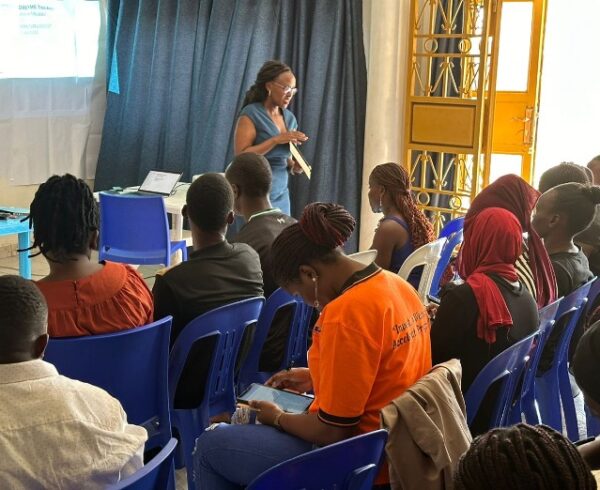
    METS in partnership with USAID/SITES conducted a follow-on OVC Inter-Agency SQA in August 2020. The previous OVC SQA focused more on assessing knowledge of the service provider (CSO) to deliver quality services rather than assessing level of satisfaction of the beneficiary with services provided or intent of program support to transform livelihoods. This SQA focused on assessing beneficiary level of satisfaction with services provided at the household.

    The aim of the PEPFAR OVC program is to contribute to ending the HIV epidemic among children & adolescents leaving with HIV (C/ALHIV) in Uganda.  The Uganda Country Operational Program was ambitious to enroll additional C/ALHIV and ensure that the HIV virus is suppressed. Continuous assessment of competence of services and attention to utilization of Strategic Information for program management

    The 2020 SQA assessed and documented progress achieved in improving provision of quality OVC Services but also identified any persisting gaps in provision of quality OVC services under each of the four OVC domains while the Household assessments helped to assess the beneficiary satisfaction with quality of services. The specific objectives included:

    1. Verifying and documenting progress achieved in improving provision of quality OVC services,
    2. Assessing beneficiary level of satisfaction with service provided focusing on clients reported during October 2019 to March 2020 through the OVC Tracker.
    3. Documenting at least one most significant change story (intended or unintended consequences of quality of interventions) from each CSO
    4. Identifying challenges that affected provision of quality OVC services, including any systematic problems with the PEPFAR guidance given on provision of OVC services, and recommend actions to ensure provision of quality OVC services, and
    5. Follow-up implementation of recommendations made during the FY2019 OVC SQA
    6. Follow-up implementation of Service Provider Quality Improvement Projects (completed and ongoing)

    The target population for the OVC SQA included CDC supported OVC implementing partners (IPs), technical staff at Service Provider level involved in provision and documentation of OVC services and OVC & OVC caregivers in sampled beneficiary households who received services from the October 2019 – March 2020.

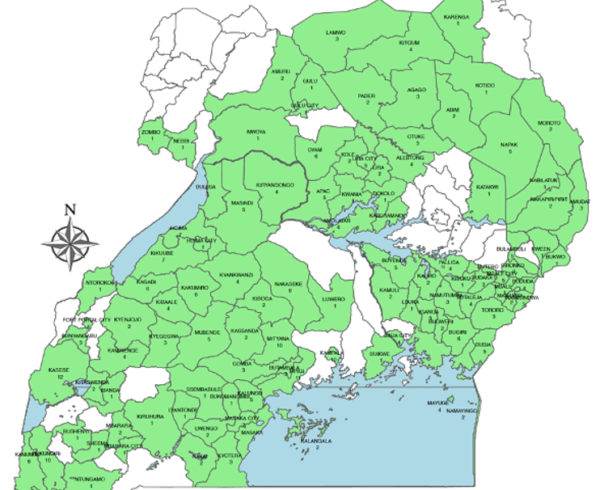
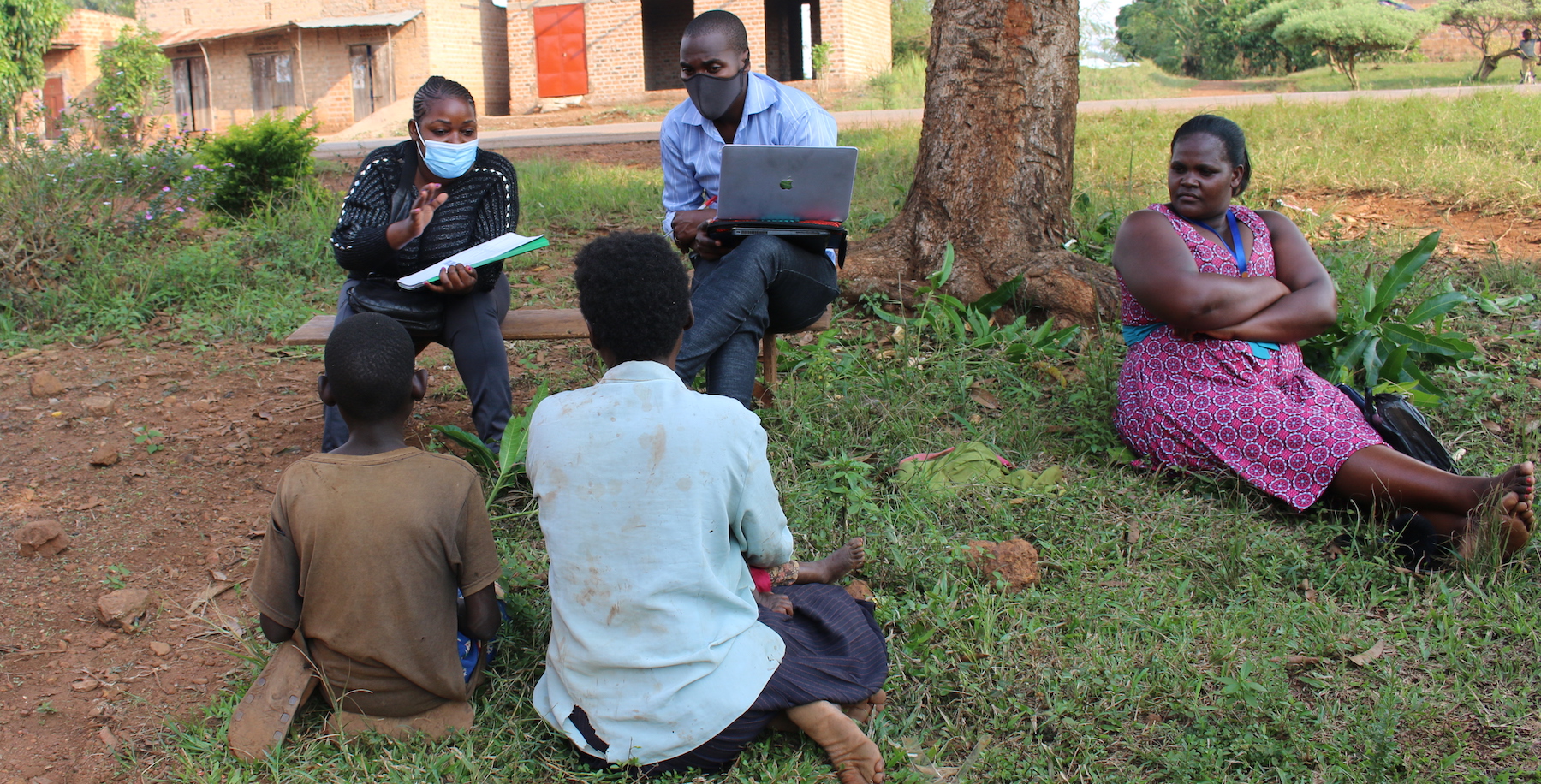
    A total of 554 households receiving services from 67 providers were visited in 27 Districts. The interactions followed strict standard operating procedures as advised by Ministry of Health. Technical feedback was given during sessions with the CSOs.

    A number of Implementing Partners were involved and these included IDI, Mildmay Uganda, RHITES, Baylor Uganda
    No tags.

    Related Post

    • The Uganda eHealth Interoperability Architecture

      Transforming Health Care Through Linked Digital Systems 

      By Nancy Karunganwa | Comments are Closed

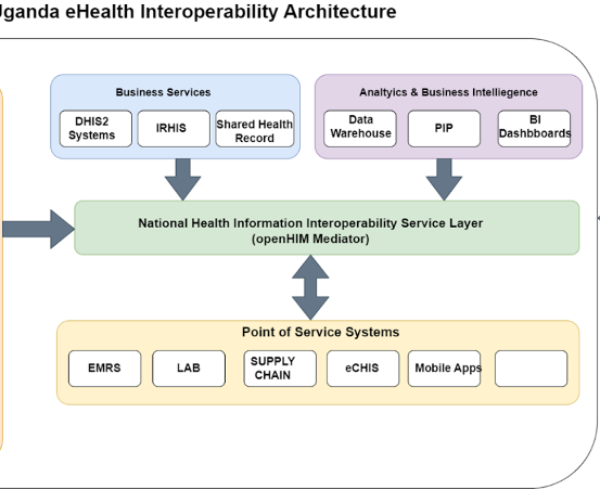
      The Ministry of Health (MOH) has embarked on a drive to transform health service delivery through use of digital systems. Working with partners, the MoH is spearheading the design, development, and implementation of interlinked healthRead more

    • Support to the generation of National and PEPFAR reports

      By Nancy Karunganwa | Comments are Closed

      By Fatumah Nalubega & Nancy Karunganwa As of October 2021, the MakSPH-METS Program was ear marked as CDC’s flagship partner for data management and named lead Strategic Information (SI) for PEPFAR. METS has since providedRead more

    • METS applauded for supporting the Mid-Term Review of HMIS Tools         

      By Nancy Karunganwa | Comments are Closed

      By: Nancy Karunganwa and Herbert Mulira In 2019 the Ministry of Health comprehensively revised the Health Management Information System (HMIS)  in a bid to harmonize data needs of various stakeholders. At the beginning of 2020,Read more

    • PILOTING THE DREAMS MOBILE APP

      By Nancy Karunganwa | Comments are Closed

      The DREAMS program, a service delivery model based on HIV risk assessment, supports young people aged 10-24, adolescent girls/boys and young women/men (AGYW & ABYM). The program is currently implemented in 24 districts countrywide. ToRead more

    • Status of CBS Implementation in Uganda

      Tracking Trends in HIV Outcomes: The Implementation of HIV Case-Based Surveillance

      By Nancy Karunganwa | Comments are Closed

      The Monitoring and Evaluation Technical Support (METS) Program, in partnership with the Ministry of Health (MoH) and various implementing partners, is spearheading the HIV Case-Based Surveillance (CBS) initiative across Uganda. This effort utilizes electronic medicalRead more

    NextPrevious

    Programme Areas

    • Health Systems Strengthening
      • District Led Programming
      • Strategic Information
    • Data Science & Informatics
    • Disease Surveillance

    Archives

    • October 2024 (1)
    • July 2024 (1)
    • June 2024 (1)
    • April 2024 (1)
    • March 2024 (1)
    • February 2024 (1)
    • December 2023 (1)
    • October 2023 (1)
    • September 2023 (1)
    • August 2023 (1)
    • July 2023 (1)
    • June 2023 (1)
    • May 2023 (1)
    • March 2023 (1)
    • February 2023 (1)
    • January 2023 (2)
    • December 2022 (1)
    • November 2022 (2)
    • July 2022 (1)
    • May 2022 (1)
    • April 2022 (1)
    • March 2022 (3)
    • December 2021 (1)
    • April 2021 (1)
    • March 2021 (1)
    • September 2020 (2)
    • August 2019 (1)
    • July 2019 (1)
    • June 2019 (1)
    • November 2018 (1)
    • October 2018 (2)
    • August 2018 (2)
    • July 2018 (2)
    • June 2018 (3)
    • May 2018 (1)
    • April 2018 (1)
    • February 2018 (2)
    • January 2018 (5)
    • November 2017 (4)
    • October 2017 (3)
    • September 2017 (1)
    • June 2017 (2)
    • May 2017 (1)
    • March 2017 (3)
    • February 2017 (1)
    • January 2017 (3)
    • November 2016 (3)
    • October 2016 (15)
    • September 2016 (1)
    • May 2016 (1)
    • April 2015 (1)
    Copyright © 2017. All rights reserved
    • Home
    • About
      • METS Programme
      • METS Team
    • Our Core Work
      • Health Systems Strengthening
        • District Led Programming
        • Strategic Information
      • Data Science & Informatics
      • Disease Surveillance
    • Resources
      • Articles
      • Publications
      • Newsletters
      • Reports
      • Bulletins
      • District Profiles
      • District Strategic Plans
      • Videos
      • Mobile Application
      • BUHIC
    • Dashboards
      • UgandaEMR Portal
      • HIV Prevention Portal
      • DREAMS Tracker
      • RASS Dashboard
      • Viral Load Dashboard
      • VMMC Dashboard
      • Option B+ Dashboard
      • UgandaEMR Metrics Dashboard
    • Updates
      • News
      • Events
      • Careers
    • Contact
    METS