Deprecated: Automatic conversion of false to array is deprecated in /home/ki449515/public_html/wp-content/themes/thefox/includes/zilla-likes/zilla-likes.php on line 212
The change involves moving records from paper format to digital options. Data is accessed on tablets enabling a shift that makes it easier and safer to collect information and provide services to the now over 1.2 million young people receiving services.
The process is cost-saving as there is no need for printing and storing 20 different paper forms, as was the previous case. This offers better security and guarantees improved efficiency as information will now be updated instantly as services are provided.
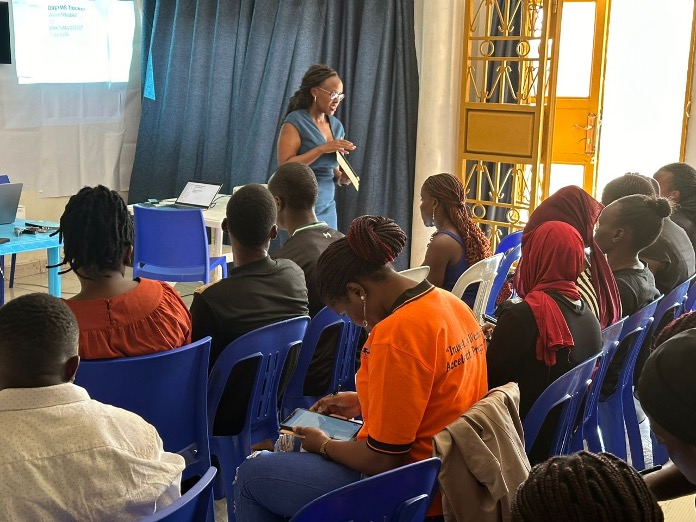
How does it work?
– Peer facilitators / providers use tablet computers with a special app called DHIS2 Capture
– Information is recorded on the spot in, the community, as services are provided
– Data is transmitted to facilities in real time using internet
– This replaces the old system of filling out paper forms
Moving forward, an evaluation will be conducted to assess feasibility, acceptability, and effectiveness before roll out of the system into all DREAMS districts and cities in Uganda.
]]>Deprecated: Automatic conversion of false to array is deprecated in /home/ki449515/public_html/wp-content/themes/thefox/includes/zilla-likes/zilla-likes.php on line 212
The Ministry of Health (MOH) has embarked on a drive to transform health service delivery through use of digital systems. Working with partners, the MoH is spearheading the design, development, and implementation of interlinked health information systems (HIS) that include Electronic Medical Record Systems (EMRs), electronic Community Health Information System (eCHIS), laboratory and supply chain systems. The ultimate goal is to leverage Information and communication Technology (ICT) to improve medical supplies accountability, availability of health data, healthcare quality, and to establish a transferable medical record for enhanced continuity of care.
To support the goal, many agencies have increased investments in ICT to support health systems. Unfortunately, some of these do not ‘speak with each other’ or exchange information which is important for continuity of patient care. To address the challenge, the MOH has (i) adopted health data standards in a consistent and comprehensive manner as a key to enabling meaningful healthcare interoperability; and (ii) established a national digital health coordination committee to oversee the integration and interoperability of HIS, procurement and distribution of HIS infrastructure, and development of health information exchange (HIE) policies and standards.
One notable success to date is the exchange of information between the Viral Load database and the EMRs systems (UgandaEMR and ClinicMaster), already happening at over 50 health facilities that provide antiretroviral therapy. This has greatly reduced the results turnaround time for viral load testing, allowing providers to make faster decisions on patient care.
Moving forward, METS will continue to support systems integration including EMRs and laboratory (ALIS) and roll them out once completed.
]]>Deprecated: Automatic conversion of false to array is deprecated in /home/ki449515/public_html/wp-content/themes/thefox/includes/zilla-likes/zilla-likes.php on line 212
By February 2024, CBS had been activated in 504 health facilities, with 349 sites (69%) actively transmitting data (see map below). Data is collected using primary HIV data collection tools covering prevention, care, and treatment, which is then entered into the EMR and transmitted via the internet to a central database hosted by the MoH.
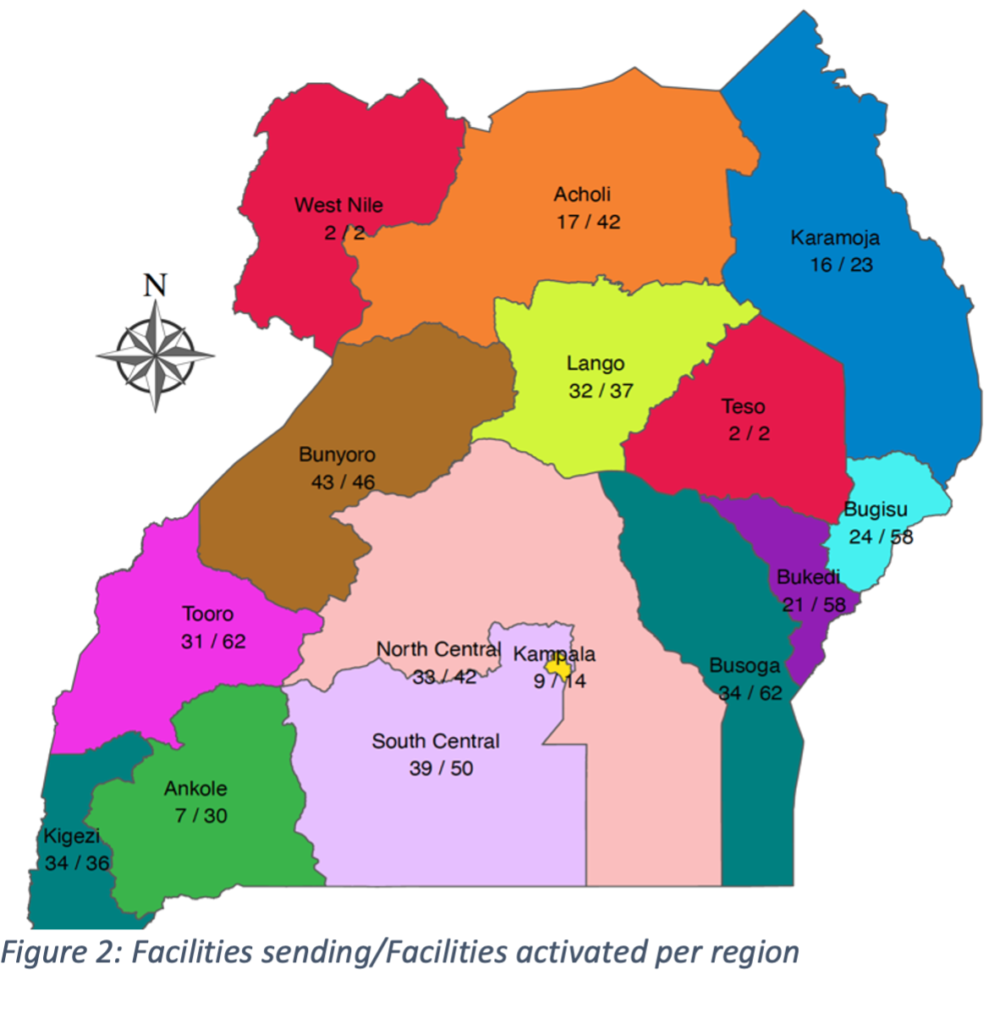
Significant gaps in data transmission persist, as the majority of regions have not achieved 100% transmission from the activated sites. Challenges such as internet access and cost are being addressed with regional partners to improve coverage.
Trends of New HIV Diagnosis
An analysis of HIV diagnosis trends over a 20-year period (2000-2022) was conducted using data from 349 health facilities across 109 districts, encompassing 202,152 clients and 3,228,359 clinical visits. The data revealed an increase in new HIV diagnosis over time, peaking in 2014 and 2018, before starting to decline. Notably, the number of diagnoses among females consistently exceeded those among males each year (see figure below). This is consistent with findings from the Uganda Population-Based HIV Impact Assessment (UPHIA 2020-2021).
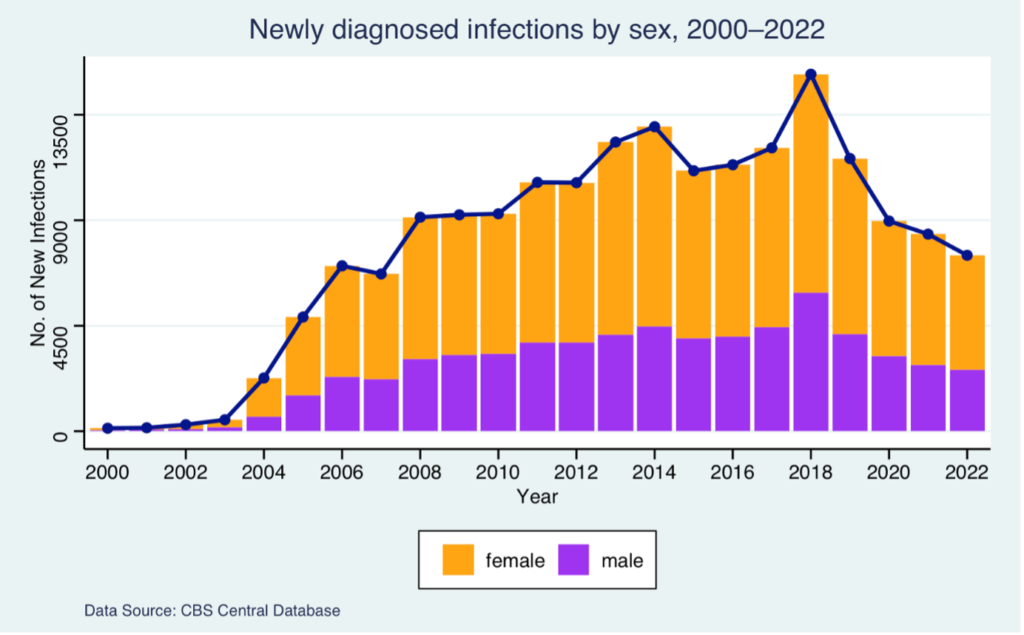
CBS complimenting other HIV surveillance programs
The ongoing implementation of HIV Case-Based Surveillance by METS and MoH is crucial for understanding and addressing HIV trends in Uganda. Despite challenges in data transmission, the collected data provides valuable insights into infection patterns and highlights the need for targeted interventions, particularly among females. Continued efforts to improve internet access and data transmission will boost the effectiveness of this surveillance system, ultimately contributing to better health outcomes for people living with HIV in Uganda.
Next steps include continued scale up of CBS implementation to reach 80% of ART sites; improving data transmission from facility to the national repository to achieve at least 90% of the CBS activated sites; and strengthening data analytics and use of the data for program improvement. Additionally, the program plans to disseminate CBS information products during the planned annual meeting in September 2024.
Deprecated: Automatic conversion of false to array is deprecated in /home/ki449515/public_html/wp-content/themes/thefox/includes/zilla-likes/zilla-likes.php on line 212
The 10th National Health Care Quality Improvement (QI) conference brought together health service providers from various parts of the country to share experiences and what they are doing to improve service delivery to patients. These included innovations and best practices they employ at their respective health facilities.
The conference provided a platform for learning, reflection, and refinement of best practices especially under innovation in health in an attempt towards attaining quality in health care. During the opening ceremony, the minister of health, Hon. Dr. Jane Ruth Aceng, called for attention to the need for solutions that will provide answers especially in areas of governance and leadership, health workforce, information systems, service delivery, financing, special groups, and health products.
She pledged that the MoH would continue to make investments in the national health system and was happy that the guidelines to help implement various innovations were launched. The Harmonised Health Facility Assessment Report and the Quality-of-Care Implementation Guide for Reproductive, Maternal, New-born, Child and Adolescent Health and Nutrition Services were launched at the conference held on 12-14 March 2024 in Entebbe, Uganda. The report will provide indicators for health services delivery as well as information on readiness of health facilities to give quality care to patients.
The conference, themed, ‘Innovations to strengthen health systems for delivery of quality health care in resource limited settings’ was made up of three keynote speeches, poster presentations, breakout sessions, and panel discussions on key issues based on the World Health Organisation’s health system building blocks.

METS made a presentation on improved service delivery models focusing on empowering young women to stay HIV-free with the help of the Determined Resilient Empowered AIDS-free Mentored and Safe (DREAMS) initiative. The risk of HIV infection is much higher in girls than boys in Uganda and majority of new HIV infections occur among young females.
The Ministry of Health, along with partners like PEPFAR, MakSPH, and UHA, created the National DREAMS collaborative with the aim of reducing HIV infections and their impact on AGYWs. The initiative also focuses on services for male partners of AGYWs like circumcision, ensures that all eligible AGYWs are screened for HIV and receive preventive medication (PrEP), family planning counselling and services, and more.
METS, along with the Ministry of Health, is providing crucial support to make these goals a reality. This is through training district coaches and regional partners, organizing coaching and mentorship visits to DREAMS sites, and coordinating national meetings to share progress and insights.
These efforts have resulted into plausible improvements including the percentage of male partners of AGYWs who are circumcised has risen from 84% to 91%, and nearly all eligible AGYWs are now receiving PrEP. More young women are also getting family planning counselling and finding the right method for them to stay healthy and HIV-free. Mary Borgman, the PEPFAR Coordinator called for continued utilization of community centred approach and continuous quality improvement which is important in improving rapid diagnosis and treatment as a way of countering the spread of disease.
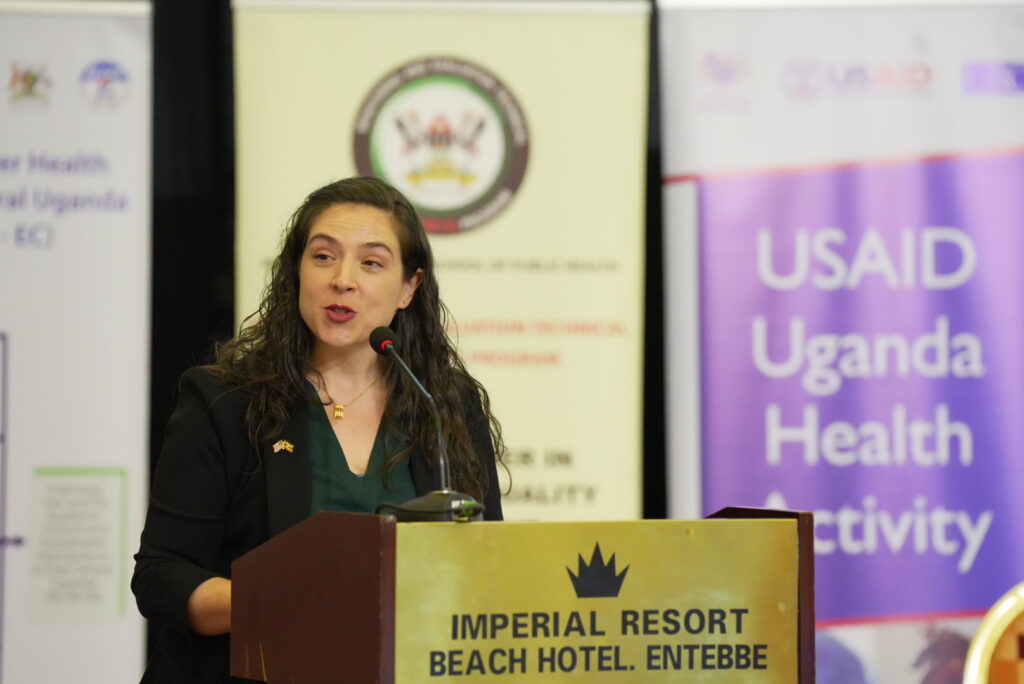
The conference was officially closed by Minister of State for Primary Healthcare, Margaret Muhanga who called on health workers to treat the community with kindness and called for integration of Quality Improvement (QI) in health care especially in treatment of TB, laboratory management, maternal, and new-born health care.
Ten health facilities were recognised for their commendable performance in providing health care
- Rushere Community hospital
- Kisugu HCIII
- Wentz Medical Centre
- Abel Hospital
- Mother Francisca – Ntungamo
- Kibaale HCIV
- St. Mary’s Lacor Hospital
- Adjumani Hospital
- Rugarama Hospital – Kabale
- Bussi HCIV – Wakiso
Four individuals were recognised for their dedicated efforts towards QI in health care
- Mr. Lawrence Ojom
- Ms. Grace Latigi
- Dr. Martin Ssendyona
- Dr. Samuel Otooba
The focus remains on enhancing healthcare quality, ensuring access to essential services, and empowering communities to lead healthier lives. Through collaborative efforts and ongoing innovation, a healthier future for all is attainable.
]]>Deprecated: Automatic conversion of false to array is deprecated in /home/ki449515/public_html/wp-content/themes/thefox/includes/zilla-likes/zilla-likes.php on line 212

Imagine a scenario: An HIV client walks into a local health facility, where they undergo a routine Viral Load test. Once the blood sample is drawn, a simple form is filled out, initiating a chain of events that will eventually lead to crucial insights into the client’s health. This form, along with the blood sample, embarks on a journey, traveling from the local health facility to the Central Public Health Laboratory (CPHL) in Butabika – Kampala.
In 2018, recognizing the need for more efficient information sharing, MOH, in partnership with PEPFAR/CDC/USAID, embraced the concept of HIE. The goal was clear, to establish a seamless electronic exchange of health data between health centres and CPHL, with Viral Load testing serving as the pioneer use case. This shift promised numerous benefits, chief among them, a reduction in turnaround time for processing results, thereby improving patient care.
Facilitating this transition was the Monitoring and Evaluation Technical Support (METS) program, working hand in hand with developers at the National Health Laboratories & Diagnostics Services (NHLDS). Together, they set out to integrate the Electronic Medical Records (EMR) system used in ART clinics with the Laboratory Information System (LIS) at NHLDS. This integration, facilitated by the interoperability layer known as the Health Information Mediator (HIM), ensured secure and efficient data exchange.
The impact of this initiative has been profound, over 600 sites across 1300 health centres actively participate in the Viral Load HIE, collectively exchanging data to support thousands of tests annually. On average, 250 exchanges occur each month, reflecting the growing success and adoption of this transformative approach to healthcare information management.
Viral Load HIE initiative is not just about data exchange; it is about empowering healthcare providers with timely, accurate information to better serve their patients. It is about leveraging technology to bridge gaps and streamline processes, ultimately improving health outcomes for communities across Uganda. And as we look to the future, it is a testament to what can be achieved through collaboration, innovation, and a shared commitment to advancing healthcare for all.
]]>Deprecated: Automatic conversion of false to array is deprecated in /home/ki449515/public_html/wp-content/themes/thefox/includes/zilla-likes/zilla-likes.php on line 212
Themed “Following the Science to Epidemic Control” the summit aimed at disseminating key findings from recent HIV, TB, and related scientific research as well as discussing the implications for national programs, including for the PEPFAR Country Operating Plan. Over the two-day summit, presentations broadly focused on care and treatment, case-finding, and prevention programs. The summit was attended by delegates from the Ministry of Health, the Uganda AIDS Commission, implementing mechanisms, and the U.S. government with the U.S. Ambassador to Uganda, William W. Popp as the chief guest.

In his opening remarks, Ambassador Popp highlighted the fast-changing resource landscape and advocated for increased country ownership of HIV programs through increased domestic funding and sustained political engagement. He also urged stakeholders to pay attention to the data that shows the harmful impact that policies have on epidemic control and was pleased to note that the summit would feature data from a recent assessment of the legal environment.
Representing the Ministry of Health, Dr. Cordelia Katureebe, the HIV care, and treatment coordinator recommended a synthesis of the evidence presented at the summit. She emphasized that this would prompt a deeper analysis of the HIV and TB programs to explore misalignments. Dr. Cordelia also raised concerns about sustainability and data use at all levels of the health system, especially by frontline health workers.
“How do we engage our district teams and facility staff to use this data and follow the science for sustainability? At the program level, we want to see more frontline health workers presenting this information”. -Dr. Cordelia Katureebe, MOH
METS had the privilege of making three presentations to share the implementation experience of HIV case-based surveillance and highlight gains from the 2022/2023 TB/HIV Quality Improvement collaborative. The team also presented preliminary findings on using machine learning techniques to identify clients at high risk of disengagement from care and those unlikely to achieve viral suppression. The presentations were as follows:
- Implementation experiences of HIV Case-Based Surveillance – Dr. Edgar Kansiime
- Using Machine Learning to Predict ART Interruptions & Viral Load Suppression -Alex Mirugwe
- Improving TB/HIV Clinical Care Outcomes through a National TB Quality Improvement Collaborative in Uganda -Dr. Flavia Nakanwagi.
Deprecated: Automatic conversion of false to array is deprecated in /home/ki449515/public_html/wp-content/themes/thefox/includes/zilla-likes/zilla-likes.php on line 212
The Monitoring and Evaluation Technical Support (METS) program, in collaboration with PEPFAR interagency implementing partners, plays a vital role in monitoring and supporting HIV interventions in Uganda. Recent program reports revealed discrepancies between reported program data and survey findings, highlighting the need for a comprehensive DQAI plan. The assessment was conducted in partnership with CDC, USAID, DoD, MoH, UCSF, and SITES.
The specific objectives were to verify Recency Program data from health facilities, validate reported data against national records, assess data management processes, and address data quality challenges. Key indicators included the number of newly identified HIV-positive clients and the proportion of clients tested for Recency.
The DQAI process comprised two major activities:
- M&E Systems Assessment: Evaluating the Monitoring and Evaluation structure, functions, and capabilities, understanding indicators, reviewing data-collection tools, and assessing data management processes.
- Data Verification: Reviewing documentation to ascertain data sources and manually validating outputs for accuracy in representing on-site counts.
This collaborative effort was aimed at enhancing the impact of Recency services by ensuring the quality of reported data for the period January to June 2023. By addressing data quality gaps, the initiative strives to improve the effectiveness of HIV interventions and client monitoring systems.
Results showing percentage scores for Data Management and Reporting
It was found that the health facility teams had a fair understanding of the data indicators, and had tools to aid data collection, however, efforts to put the collected data to use is still lagging at 70% as well as management processes for the data at 78% as shown below:
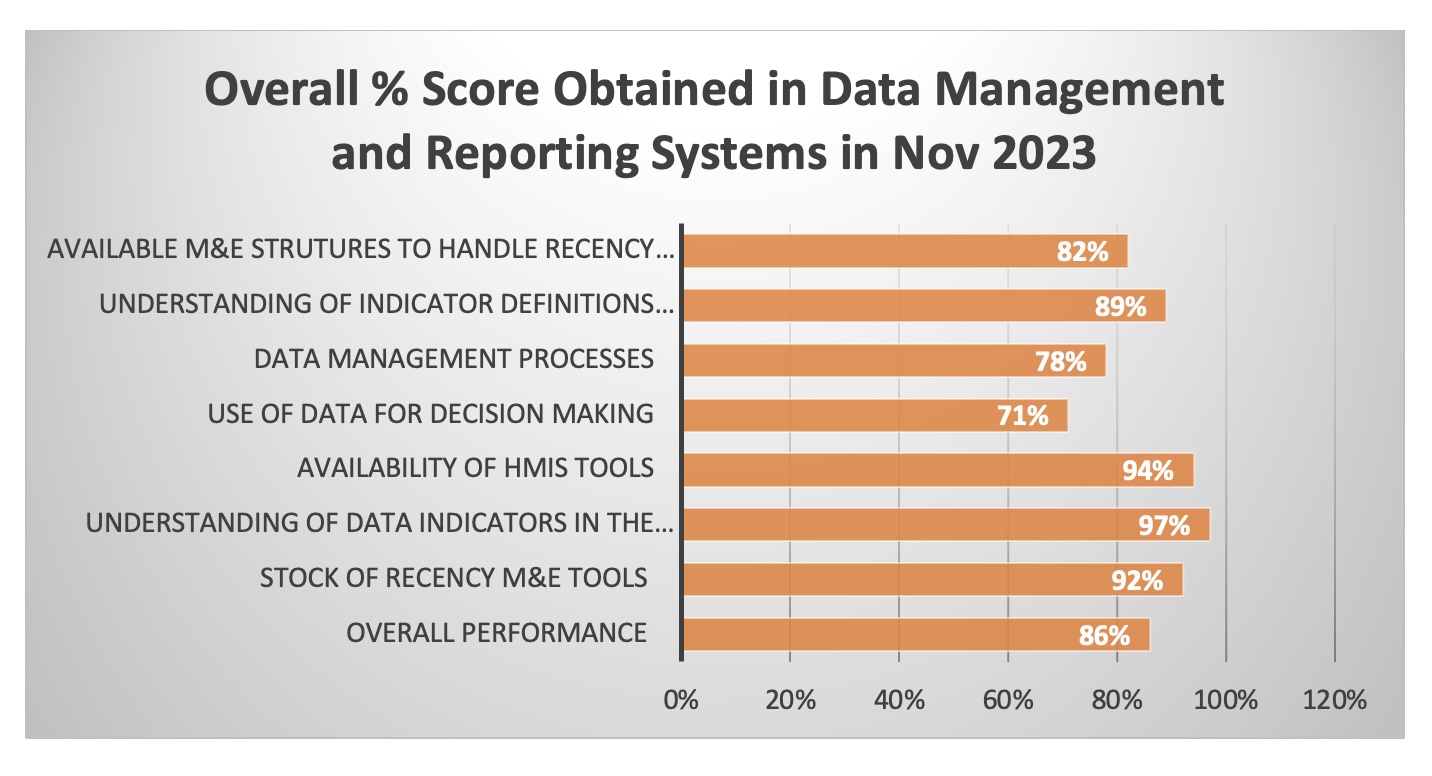

General performance of health facilities in regard to the HIV Recency M&E systems showed an improvement from 77% to 86%.
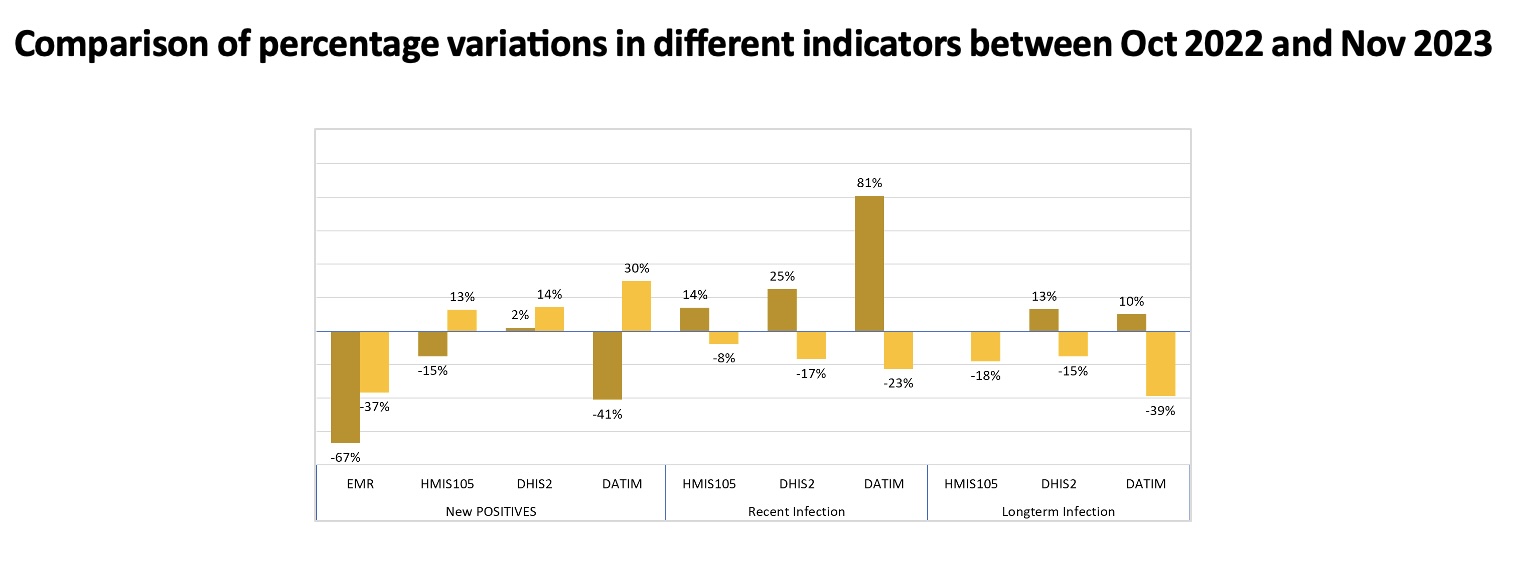
Following data verification by joint count, it was observed that there was general undereporting (negatives) of HIV Recency data across the different data collection tools in the November 2023 DQA, as compareed to the August 2022 DQA where most of the data collection tools had over reporting. On a good note, there was an improvement in reporting in EMRs from -67 to -37.
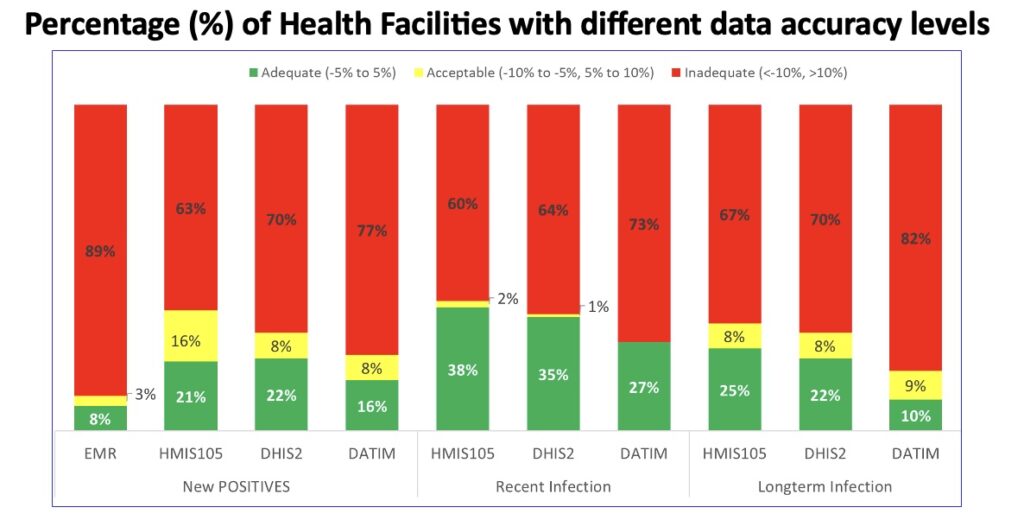
Most of the health facilities had inadequate accuracy levels for HIV Recency data across the different data collection tools at the facility and in the reporting systems.
Next steps
Moving forward, METS will support MOH implement routine support supervision to assist facilities in identifying and resolving data quality gaps; disseminating the Public Health Response Plan (PHRP) to enhance data utilization for decision-making; conducting targeted training and mentorship programs, with a specific focus on regions exhibiting poor data quality performance. Additionally, there is a commitment to supporting regional DQAI and Continuous Quality Improvement (CQI) projects across health facilities. Furthermore, it is important to scale up the utilization of Electronic Medical Records (EMR) for Recency data, aiming to streamline reporting processes and enhance data accuracy across the board.
]]>Deprecated: Automatic conversion of false to array is deprecated in /home/ki449515/public_html/wp-content/themes/thefox/includes/zilla-likes/zilla-likes.php on line 212
Kenya is one of the PEPFAR supported countries that has experienced recurring challenges in commodity management resulting in service disruptions. The challenges include limited visibility of commodities throughout the distribution cycle and the absence of timely commodity status information. This often leads to overstocking, stockouts, and expiries. Despite Uganda facing similar challenges, the Real Time ARV Stock Status (RASS) System, developed by MakSPH-METS with funding from CDC Uganda, serves as a potential solution to these issues. The system, in real time, can provide an update of stock status triggering decisions for redistribution, restocking and resolving expiry of the commodities in facilities.

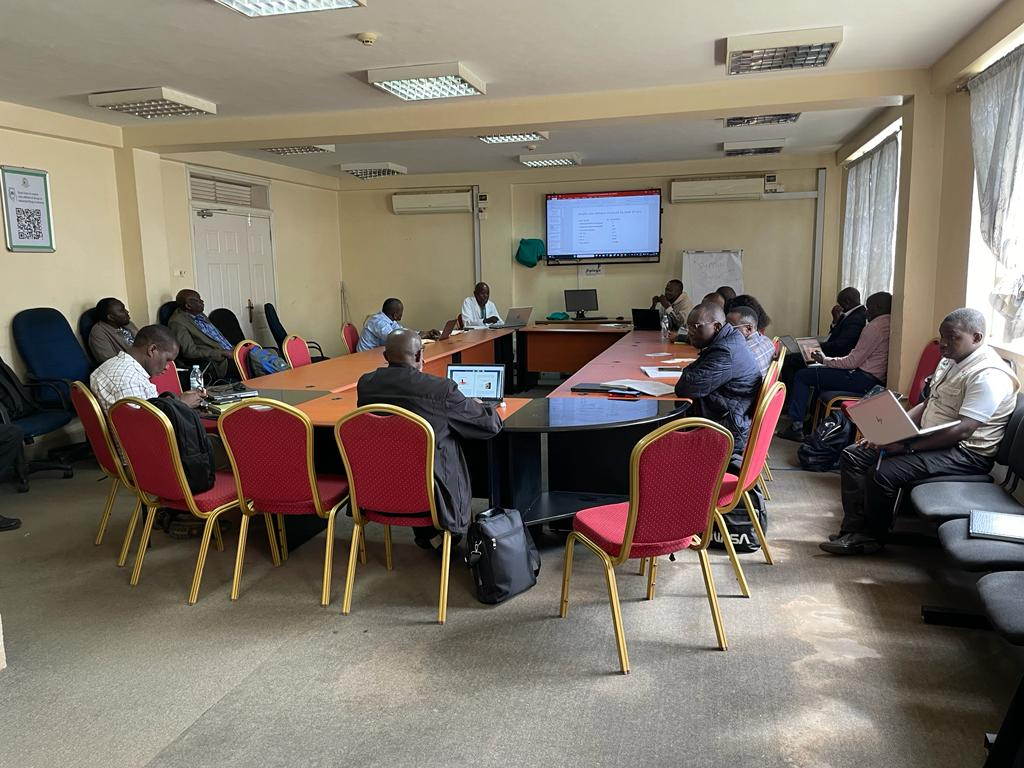
The CDC Kenya team undertook a learning visit to Uganda to benchmark RASS on 4th to 8th September 2023, to gain insights into Uganda’s experience and explored its potential application to address commodity management challenges back home. The visiting team were able to deep dive into the development process of the system, costs involved and the possibility of designing a similar decision-making tool for Kenya. The visit included site visits to health facilities in the Rwenzori region under Baylor-Uganda as the comprehensive partner including Fort Portal Regional Referral Hospital, Kyenjojo Hospital and Kataraka Health center IV. They were able to observe commodity management tools and central data repositories showcased by health workers. The METS Program of Makerere University School of Public Health (MakSPH-METS) took the lead in hosting the team in collaboration with CDC Uganda, Baylor Uganda, and the Ministry of Health – Uganda.

Key lessons from the field trips included the need for Implementing Partners to prioritize routine support as well as the motivation of super users who play pivotal roles. Innovative tools like WhatsApp groups were also deemed importance for enhancing reporting.
The CDC Kenya benchmarking visit underscores the potential benefits of adopting a real-time patient/commodity visibility system like Uganda’s RASS. The visit also served as a foundation for future collaboration and improvements in the healthcare commodity management system in Kenya. In addition, the visit aided valuable exchange of knowledge and experiences between the Kenya and Uganda teams.
As a next step, MakSPH-METS will enhance the functionality and dynamic nature of the RASS dashboard using PowerBI dashboard which is more functional and dynamic as well as continued mentoring and provision of support to end users.
]]>Deprecated: Automatic conversion of false to array is deprecated in /home/ki449515/public_html/wp-content/themes/thefox/includes/zilla-likes/zilla-likes.php on line 212
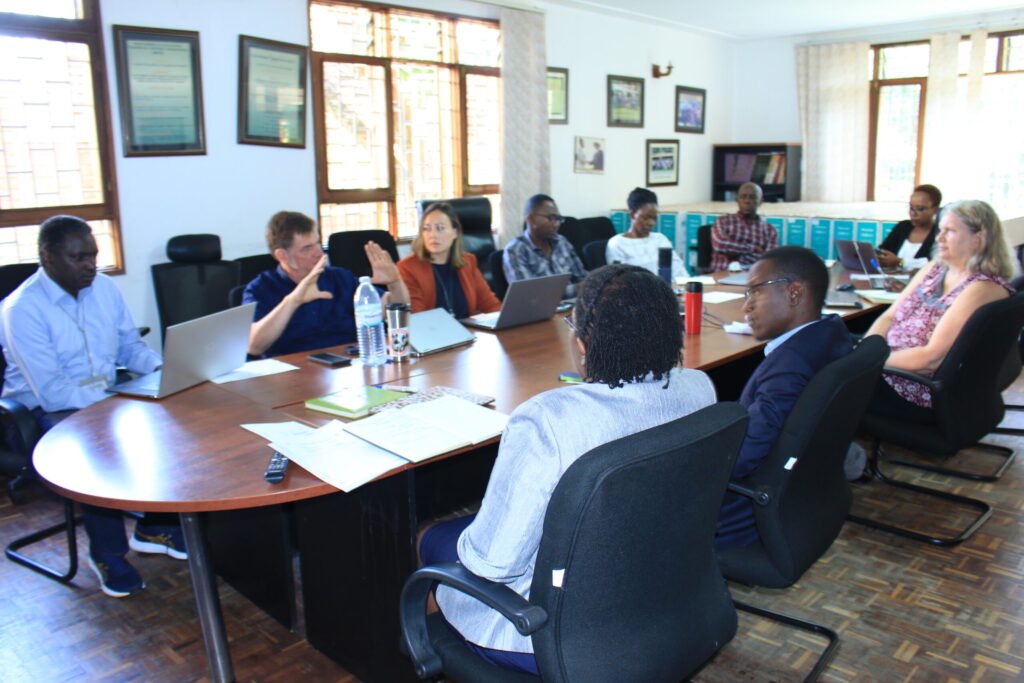
METS hosted Dr. Marta Ackers (MD, MPH), the East Africa Regional Associate Director in the Division of Global HIV and TB at the US Centers for Disease Control and Prevention. The visit was used to touch base with Program implementation; impact, progress, challenges and future plans.
The meeting was attended by representatives from CDC Uganda; Ray Ransom – the Project Officer for METS, Jenny Nel – Branch Chief Data Science and Informatics, Kenneth Musenge – Health Information Systems Team Lead, and Dr. Herbert Kiyingi – Surveillance, Surveys, and Implementation Science Team Lead.
Dr. Ackers cautioned METS to remain relevant to contributing to the country’s sustainability program and applauded the team’s effort in production of policies and guidelines, integration efforts, technical assistance offered to the Ministry of Health and efforts towards working within existing structures. She further called attention to TB care and treatment including outside HIV programing.
]]>Deprecated: Automatic conversion of false to array is deprecated in /home/ki449515/public_html/wp-content/themes/thefox/includes/zilla-likes/zilla-likes.php on line 212
The US Centers for Disease Control and Prevention (CDC) established a Country Monitoring and Accountability System (CMAS) to identify country level challenges resulting from the rapid scale-up of public health programs. The CMAS recommends program evaluations for accountability of PEPFAR funds invested through CDC as a way of positively impacting the population. The program evaluations are guided by the Evaluation and Performance Monitoring Plans (EPMPs).
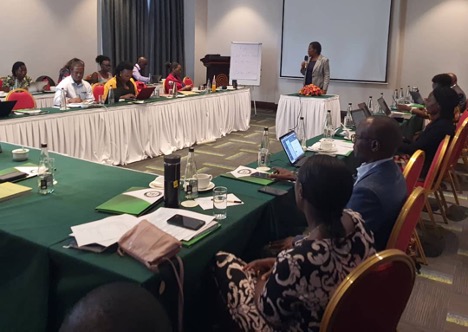
The respective program leads at MOH, CDC-Uganda, and METS embarked on a protocol development process during a 5- day writing retreat that was held at Serena Hotel Kigo, from August 8-12, 2023. The evaluations are scheduled to be implemented in October-December 2023. Makerere University School of Public Health-Monitoring and Evaluation Technical Support (MakSPH-METS) Program will support 5 program evaluations. These include:
1. Evaluation of the National PMTCT Group Antenatal & Postnatal Care (G-ANC/PNC) Differentiated Service Delivery Model (2021-2023). The study will evaluate acceptability, feasibility, and effectiveness of the Adolescent G-ANC/PNC model of care for pregnant and breastfeeding young mothers, and their infants at implementing sites nationally.
2. Evaluation of the Uptake and Outcomes of the Integrated Community-based HIV Service Delivery Model (ICSDM) in Uganda that aims to accelerate progress towards the UNAIDS 95-95-95 targets.
3. Prevalence and Outcomes of Non-Communicable Diseases (NCDs) including Hypertension, Diabetes mellitus, Obesity and Mental health disorders, among persons living with HIV (PLHIV) in Uganda. This assessment will determine the prevalence, predictors, and outcomes of NCDs among PLHIV and the health system’s capacity to offer NCDs services for PLHIV.
4. Outcome evaluation of the Young People and Adolescent Peer Support (YAPS) program in Uganda. The YAPS program aims to enhance HIV-related outcomes among adolescents and young individuals, including raising awareness on HIV testing, improving treatment coverage, achieving viral load suppression, bolstering psychosocial support, and linkage to livelihood programs.
5. Evaluation of the HIV Case Based Surveillance (CBS) pilot implementation in Uganda. The findings will guide program expansion.
]]>